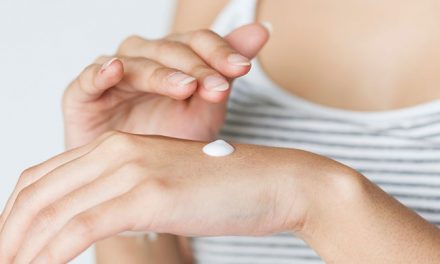

Ever tried using facial oils? Do you know what they are and how to use them? Are you afraid to try oils for fear of breakouts?
There’s a lot of misinformation out there about facial oils and oil-based skin care, so let’s set the record straight.
Oil is bad for your skin… or is it?
Are you one of the millions of women who have believed incorrectly since your teenage years that oil is bad for your skin? It probably started way back in high school when your friends and favorite magazines were all telling you to avoid facial oils like the plague. Though your skin care needs are substantially different now than they were during your teenage years, for many, this outdated notion that oil is bad for your skin still impedes the skin care regimens of countless women just like you.
 Advising women to avoid facial oils and oil-based products for fear of acne is perhaps one of the most widespread and most damaging myths the cosmetics industry has ever perpetuated. So don’t beat yourself up if you fell for it. Excess oil can indeed cause breakouts, so it makes sense to believe that you should avoid applying facial oils and oil-based skin care products to skin that is already oily and greasy.
Were the premise on which this reasoning is founded true (that being that oil clogs pores and causes acne) you’d have a solid, logical argument, but the truth of the matter is this statement you and most everyone else have been treating like an immutable law of physics is only partly true. According to dermatologist Dr. Gervaise Gerstner light, natural oils do not cause oily skin, nor do they clog pores. In fact, some oils can actually help reduce greasiness and the potential for acne breakouts by tricking your skin into believing it already has enough oil so that it will shut down the oil slick that’s been fueling the pimple factory. According to nutritional therapist and beauty blogger Lauren Geertsen it is only when you use synthetic oils like mineral oil or some heavy (comedogenic) oils that you would run into an acne or shine problem.
Light, natural oils do not cause oily skin, nor do they clog pores. In fact, some oils can actually help reduce greasiness and the potential for acne breakouts by tricking your skin into believing it already has enough oil so that it will shut down the oil slick that’s been fueling the pimple factory.
Your skin produces oil for a very good reason, and while it may produce too much during your teenage years while your hormones are in a state of flux, avoiding facial oils in your skin care products and treating your skin’s natural oils with a search and destroy mentality will ultimately do more harm than good, particularly once you hit your late 30s. Once you hit your late 30s, your skin’s ability to produce the natural oils responsible for giving your skin that youthful glow decreases and your skin’s lipid barrier (a protective outer layer of fatty acids and skin cells held together with natural oils) breaks down, resulting in dryness and early formation of wrinkles.
In addition to maintaining the integrity of your skin’s lipid barrier, oils also help inhibit what is known as peroxidative skin damage. According to Hillary Peterson, melanoma survivor and CEO of True Nature Botanicals, lipids will undergo what is known as peroxidation upon contact with sunlight, which means they lose their ability to act as a barrier and gaps occur in the lipid matrix resulting in a loss of skin resilience and potentially the formation of wrinkles.
If and when this occurs, it’s your job to add them back via external sources of oil. There are plenty of oils from which to choose, as well as oil-based face creams, serums, and lotions, some of which will work better than others depending on your skin type and the amount of damage your skin has suffered over the years.
Facial Oils vs. Face Creams
If you’ve been thoroughly indoctrinated into the anti-oil school of thought when it comes to skin care you may be hesitant to try pure facial oils and instead opt for an oil-based face cream. There’s no harm in taking this approach when introducing oil into your skin care regimen provided you check each cream’s ingredients thoroughly to see just how much oil you’re getting for your money and whether the manufacturer has sneaked any undesirable ingredients such as petrochemicals, fragrances, or parabens into the formulation, hoping you wouldn’t notice.
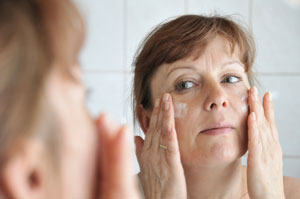 Many face creams are mostly waxes and water with only a few oils mixed in. Waxes are used as emulsifiers to help blend the creams various ingredients together into a smooth, consistent color and texture while also helping to hold moisture in. However, there are two downsides to using creams that rely heavily on waxes. The first is that waxes tend to build up on the skin after repeated use and may clog pores, resulting in blemishes and acne.
The second is the wax barrier that forms on your skin to lock in moisture may also lock out the oil component of the cream, which is the part of the cream that contains the most beneficial vitamins and nutrients for your skin. This is often the reason why face creams may appear to deliver results after the first few uses but become less effective with prolonged use. They work at first to simply lock in moisture but as you continue to use them the wax barricade that forms on your skin may prevent the oil component from delivering nutrients like essential fatty acids (EFAs) to the skin and cause the cream to fail to live up to its anti-aging claims.
…the wax barrier that forms on your skin to lock in moisture may also lock out the oil component of the cream, which is the part of the cream that contains the most beneficial vitamins and nutrients for your skin. This is often the reason why face creams may appear to deliver results after the first few uses but become less effective with prolonged use.
Compared to water-based and wax-based (better known as oil-based) face creams, and/or face creams that include synthetic ingredients or fragrances, natural facial oils deliver all of the moisturizing and anti-aging benefits with none of the downsides. Rather than locking nutrients and vitamins out of the stratum corneum (the outer layer of the skin, comprised of dead skin cells and lipids held together with oils), facial oils are lipophilic, meaning they are fat-loving, and can act as carriers for a variety of essential nutrients, vitamins, and antioxidants. They pass through your skin’s lipid layer quickly and easily without disrupting or damaging the layer, preventing water loss and plumping your skin with moisture and anti-aging vitamins and nutrients.
“If you’re not ready to give up your favorite moisturizer [or face cream], you don’t have to. Facial oils are great for layering,” Dr. Gerstner advises. “You can definitely use both. It is best to apply oils right after freshly cleansed skin in the morning and at night right before applying your moisturizer or you can even use alone.”
Facial Oils and Exfoliation
Over-exfoliation with scrubs and brushes, exposure to harsh soaps and detergents, and other treatments that involve stripping off your topmost lipid barrier may aggravate a blemish problem by eliminating a vital component of the protective barrier your skin needs and by triggering an increase in oil production of the type you are trying to control, like excess sebum, as your skin attempts to compensate for the loss of oil these types of treatments can cause. This is not to suggest that exfoliation should be avoided, as it is a great anti-aging spa treatment, particularly so if done with natural salt or sugar-based scrubs, but rather to suggest that the time immediately after you finish a facial exfoliation treatment is the perfect time to apply a facial oil or oil-based moisturizer. You may also wish to try using a natural oil-based scrub with actual oils rather an a cream-based scrub that contains wax.
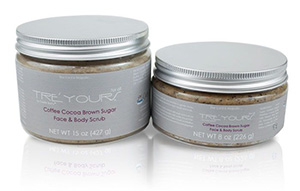 Using your facial oil or oil-based moisturizer immediately following facial exfoliation can help stop your skin’s instinct to overproduce sebum oil to compensate for what was lost via scrubbing by tricking the skin into thinking it already has enough oil (which it will once you apply your facial oil or moisturizer), before your face once again turns into an oil slick and pimple factory.
When facial oils are applied to the skin, they are absorbed directly into the top layers of the epidermis much like a facial serum, where they instantly go to work to improve the lipid barrier function. Topical application of facial oils rich in fatty acids can help re-stabilize your skin’s lipid barrier and restore antimicrobial activity on your skin’s surface. Plus, since lipids dissolve other lipids, applying a facial oil after exfoliation will help break up any sebum oil congestion that occurs as a result of the scrubbing action. More often than not you’ll see immediate results from the first application. After about a month of facial oil use your replenished lipid barrier should reward you with a noticeable healthy glow and you may find yourself getting lots of compliments from friends.
Facial Oils vs. Serums
If all this talk of penetrating your skin’s lipid barrier and infusing your skin with vitamins and nutrients is making facial oils sound a lot like anti-aging serums, you’d be correct. Natural facial oils and serums do share a lot in common. Both act as natural penetration enhancers, enabling the absorption of less soluble skin care ingredients like retinol, glycolic acid, and vitamin C. According to dermatologist Dr. David Colbert, when you apply a facial oil or serum before your anti-aging face cream, “the oil molecules behave like tiny Trojan horses, tricking the skin into letting your face cream’s active ingredients deeper into the skin and closer to your collagen-producing fibroblasts, all without irritating your skin’s surface.”
But natural facial oils have some significant differences from anti-aging serums too, perhaps most the most important of which is that most serums do not moisturize the skin. Serums are formulated to improve the overall look and complexion of your skin by delivering high concentrations of potent nutrients, antioxidants, and vitamins deep into the epidermis where ordinary topical moisturizers and creams would be unable to reach. Natural facial oils, on the other hand, do all of this, plus deliver long-lasting moisture to the skin. Women and men have used facial oils for thousands of years to moisturize and protect the skin from extreme desert heat, particularly so in ancient Egypt and the Greek and Roman empires.
…most serums do not moisturize the skin…
Another important difference between natural facial oils and most anti-aging facial serums is that many serums are silicone based. Silicones are made from plastics and form a plastic-like layer on the skin to make it feel smoother. Over time this invisible film may cause inflammation and dehydration as a result of suffocating your skin cells. When this happens, ironically, many serum users will increase their use of these products, believing that using more product will deliver better results and not realizing that the products themselves are the root cause of the problem.
According to Spirit Demerson, founder of Spirit Beauty Lounge, using natural facial oils rather than conventional, synthetic serums is like eating fruits and vegetables instead of popping a vitamin supplement. Your body loves the real thing!” Natural vitamins and nutrients from plants are often better absorbed by the skin than synthetic equivalents. Organic and wild-crafted facial oils are the most effective and safest way to deliver vitamins and nutrients to your skin.
Facial oil research shows….
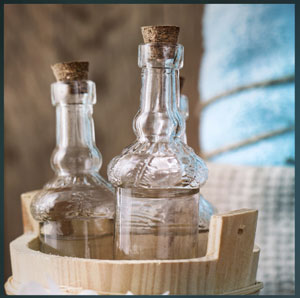 There are many different varieties of facial oils, each of which comes with its own herbaceous profile so if you have unique skin care concerns you may need to do some research to figure out which facial oil is right for your skin, and start with just a drop or two while you check for reactions. Depending on your skin type some oils may feel too heavy or smell too heavily scented. Others might not feel like they’re moisturizing enough, leaving you yearning for your face cream (which you can still use in addition to facial oils.) A general rule of thumb is, “The more damaged your skin is, the heavier the oil you will need.”
When shopping for facial oils, one key factor in addition to your skin type and needs that you should consider is the method used to extract the oil. Oils extracted using natural methods such as expeller-pressed oils, cold-pressed oils, or CO2-extracted oils are preferable over solvent-extracted oils as these natural methods of extraction will preserve many of the vitamins and nutrients that would be diluted or destroyed using a chemical extraction process.
To save you some time, we’ve prepared our own list of some of the best facial oils on the market for both common and serious skin care needs. When shopping for the oils listed below, we suggest you look for oils that are:
- Derived from organic and wild-crafted sources
- Extracted through natural means
- Bottled in opaque, airtight containers to prevent the oxidation of vitamins and nutrients from air or light.
- NO PLASTIC BOTTLES! Plastic will absorb the oil’s nutrients and leech out into the oil, contaminating it with endocrine-disrupting chemicals such as bisphenol A and phalates.
Many of the oils listed below are for multiple skin types and contain many similar benefits and qualities for the skin. So rather than list each oil and everything it does for every skin type and condition, we’ve grouped, analyzed, and summarized each oil based on which skin type and condition it benefits the most.
Best facial oils for hormonal/mature skin – Evening Primrose and Hazelnut Oil
Evening Primrose Oil (for dry skin)
Hormonal fluctuations and certain medications can damage and dry out your skin cells, causing your skin to appear dull and patchy. Cold-Pressed Evening Primrose Oil contains high quantities of gamma-linoleic acid, which aids in the regeneration of new skin cells and helps repair damaged skin cells to restore your healthy glow. It is also often recommended by herbalists as a topical skin care solution for maintaining skin elasticity and soothing inflammation, particularly so when the inflammation stems from a hormonal condition.
Cold-Pressed Evening Primrose Oil is considered among experts to be one of the most important natural anti-aging skin care discoveries ever made. It is one of nature’s richest sources of gamma-linoleic acid, an essential fatty acid required by every organ in the body, especially your skin! It is often recommended by herbalists as a topical skin care solution to maintain skin elasticity and soothe skin inflammation in women who suffer from certain medical conditions such as endometriosis. It is also one of the best topical facial oils on the market for mature skin care.
Hazelnut Oil (for oily skin)
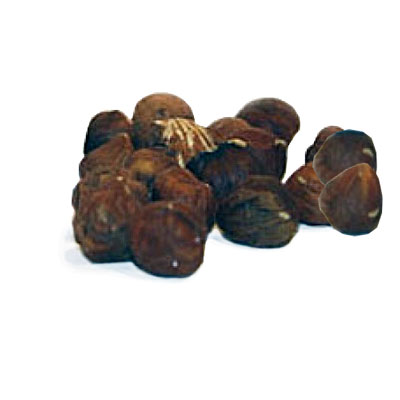 Natural Hazelnut Oil is one of nature’s best skin care topicals for aged oily skin. It is well known for its astringent (skin tightening) properties and its high concentration of vitamins B and E, as well as its linoleic essential fatty acids. These natural fats and vitamins synergize to give Hazelnut Oil mild natural UV-protective properties and also help moisturize and condition your skin, leaving it soft and plump, while helping to reduce the appearance of fine lines and wrinkles. Yet it never feels greasy!
Hazelnut Oil is also great for curbing the excess oil production in acnetic mature skin. Though you may want to believe that acne is strictly a concern for teens and young adults, mature skin can and will develop breakouts and blemishes if its oil production becomes unbalanced (which typically occurs due to dehydration in mature skin.) Using Hazelnut Oil will help absorb and re-balance any excess sebum oil while simultaneously rehydrating the dry skin that is the root cause of the imbalance.
Best facial oils for damaged skin and anti-aging skin care – Argan, Marula, and Hemp Seed Oil
Argan Oil – some facts
If you’re looking for oil-based anti-aging skin care, chances are you’ve heard of Argan Oil. In recent years Argan Oil has risen from a little-known herbal topical to one of the most sought after skin care ingredients for its high concentrations of antioxidant vitamin E and essential fatty acids. While immensely popular, Argan Oil is also very rare, which has caused the price of this oil to skyrocket.
“Cheaper versions of Argan Oil may have added ingredients that make them less effective so if you see one ounce of Argan Oil for $15 that’s not right,” says holistic skin care expert Cecilia Wong.
This is good news for anyone in the beauty industry who can get their hands on a pure supply of the oil, but some consumers aren’t buying into all the hype and marketing, and have started to question whether Argan Oil should really be heralded as the gold standard in facial oils.
“Many beauty “experts” herald Argan Oil as being loaded with fatty acids, but it’s actually low in fatty acids when compared to more common oils like hemp,” says Paula Begoun, author of 20 books on skin care and makeup. “But Argan Oil sounds more alluring… Don’t get us wrong, argan oil is wonderful ingredient for skin, but much of its pull has to do with the ‘story’ attached by clever marketing campaigns, anecdotal information, or supermodel spokespeople.”
Marula Oil
Marula Oil, though far less publicized than Argan Oil, actually beats out Argan in several capacities when it comes to anti-aging skin care. It is cold-pressed from the East African Marula nut and is great for damaged, sunburned, or irritated skin because of its high concentration of UV-fighting antioxidants. In fact, Marula Oil contains 60% more antioxidants than Argan Oil as well as greater quantities of natural oleic acid, an essential fatty acid helpful in battling acne breakouts. It also has antimicrobial properties that help fight bacteria, making it an excellent oil to use on blemishes, or on blemish-prone skin.
Marula Oil also has some clinical study results to back up its claims. According to celebrity plastic surgeon Dr. Ashton Kaidi of southern California, a 24-patient clinical study to determine efficacy treating damaged skin following radiation therapy revealed that patients given Marula Oil showed more rapid resolution of erythema and edema against the standard aloe-based cream typically used in treatment. Patients described Marula Oil as soothing and fast absorbing.
This could be because Marula Oil molecules are much smaller than the thicker, more traditional moisturizing oils on the market, enabling them to sink into the skin incredibly fast and penetrate easily into the deeper layers of the skin quickly and efficiently. This ensures that all the layers of your skin get a generous dose of Marula Oil’s potent antioxidants and fatty acids and that the oil does not leave a greasy residue on your skin after you apply it.
Hemp Seed Oil
 Though many beauty and skin care experts continue to herald Argan Oil as the best oil to deliver essential fatty acids to the skin, both Argan Oil and Marula Oil come up short when compared to a skin care superfood like Hemp Seed Oil, particularly so when comparing each oils concentration of fatty acids. Hemp Seed Oil is the only seed oil to contain 75-80% polyunsaturated fatty acids, the highest concentration found among seed oils in the entire plant kingdom.
According to HempBasics.com, Hemp Seed Oil has been dubbed “Nature’s most perfectly balanced oil,”due to the fact that it contains “the perfectly balanced three to one (3:1) ratio of Omega 6 linoleic essential fatty acid (LA) to Omega 3 alpha-linolenic (LNA) essential fatty acids, determined to be the optimum requirement for long-term healthy human nutrition and quality anti-aging skin care.”
It may also surprise you to learn that despite Hemp Seed Oil’s connection with the cannabis plant, it actually is 100% legal to sell and to use in the United States. It contains no THC (the psychoactive component of marijuana) and is primarily used to strengthen nautical ropes – though it makes a great skin care product too!
Best facial oils for acne – Sunflower Oil and Tea Tree Oil
Sunflower Oil
Cold-Pressed Sunflower Oil is one of the best natural facial oils for acne. It is rich in vitamins A, C, and D as well as carotenoids and waxes that form a protective barrier on your skin, making Sunflower Oil a particularly effective skin care topical for acne. It is also non-comedogenic (meaning it can be rubbed into the skin without clogging pores and triggering an acne breakout.) In fact, it will trick your skin into thinking it already has enough oil (which it will with the added sunflower oil) and shutting off the oil slick that’s been fueling your skin’s shine and pimple factory. Sunflower Oil regenerates skin, getting rid of acne causing bacteria.
Tea Tree Oil
Tea Tree Oil differs from every oil we’ve mentioned thus far in that it is not a seed oil, but rather an essential oil, extracted through steam distillation of the leaves of the tea tree rather than through cold-pressing. As a result, Tea Tree Oil may feel and smell more like an astringent than an oil, so it won’t have that dreaded oily/greasy feel that turns many women away from using facial oils. (In fact, very few natural facial oils actually feel greasy – it’s only the synthetic waxy ones that feel this way.) According to Dawn Davis of TotalBeauty.com, clinical studies have given weight to the credibility of Tea Tree Oil as an acne topical, finding that a five percent concentration of Tea Tree Oil was just as effective at treating acne as the standard five percent benzoyl peroxide sold in drug stores as the go-to topical remedy for acne. Miami dermatologist Leslie Baumann recommends it as a gentle, natural alternative to harsher acne treatments.
Best facial oils for discoloration – Rose Hip Seed Oil and Avocado Oil
Rose Hip Seed Oil
Rose Hip Seed Oil’s natural orange color and high concentration of essential fatty acids makes this oil excellent facial oil for discoloration, particularly if you suffer from melasma (patchy discoloration) or hyperpigmentation. Rose Hip Seed Oil is extracted from the rosa canina seed and fruit using CO2-supercritical extraction to ensure that all of its properties are left intact. It is a top source of natural retinol (vitamin A) and a great alternative to synthetic retinol products, many of which can damage skin and even cause reproductive issues and cancer.
According to beauty blogger Kate of livingprettynaturally.com, Rose Hip Seed Oil contains Trans-Retinoic Acid, “which your skin can convert easily into natural vitamin A and use to help heal scars, sun damage, and fine lines, and even acne.” According to beauty blogger Jen Ruhman, acne is actually a sign that your body is dehydrated. When your body gets dehydrated, your skin starts to dry out as well. Your skin them overproduces oil to help protect itself from the dryness, which ends up complicating your skin and can result in the formation of pimples.
“You need to drink more water and less coffee and soda,” says Ruhman. “When this is not enough, adding Rose Hip Oil to your skin care is a smart choice.”
Rose Hip Seed Oil also contains high concentrations of antioxidant vitamin C and has been shown to help improve skin cell turnover rates. These properties also make Rose Hip Seed Oil an excellent lightening spot treatment. The only downside to using this oil is that if you use it at night like a serum it may rub off on your sheets, pillowcase, and/or robe while you sleep and stain them a light yellow-orange.
Avocado Oil
 Like Hemp Seed Oil, Avocado Oil is another “superfood” for your skin, particularly when it comes to damaged and discolored skin. Free radicals produced by overexposure to the sun’s UV rays and other sources such as pollution are one of the main causes of skin discoloration and pigmented patchiness. Avocados are rich in antioxidants that attack and neutralize free radicals. Additionally, its naturally green color helps balance out facial redness from irritation or acne scars and it’s great for eye treatments too – diminishing the appearance of sun spots, crow’s feet, dark circles, and puffiness.
Another benefit to using Avocado Oil for skin discoloration is that it has natural UV-protective properties and has one of the highest natural SPF ratings as reported by the Encyclopedia of Chemical Technology for Sunscreen Effectiveness. It also has the unique ability to bond with and intensify the effectiveness of other ingredients which makes it a great facial oil to use in addition to your moisturizer or other skin care products.
Avocado Oil also contains a generous quantity of natural vitamin A (retinol), which can help stimulate new cell growth and increase collagen production. Collagen is the substance your skin produces naturally to keep itself elastic and wrinkle-free. Since collagen production tends to decrease significantly in mature skin and it must be synthesized from within the body to be effective for your skin (meaning you can’t achieve the same results as natural collagen by ingesting it or injecting it), Avocado Oil is an ideal solution for getting your skin’s collagen levels back up to where they should be. Former Spice Girl and fashion icon Victoria Beckham swears by Avocado Oil for skin care.
Best facial oils for chronically dry skin – Rice Bran Oil, Olive Oil, and Apricot Oil
Rice Bran Oil vs. Olive Oil
You probably think of Olive Oil as a cooking oil rather than a facial oil, and if you’ve heard of Rice Bran Oil the same is probably true of that oil too. But both of these natural oils are also often used for skin care purposes.
Cold-Pressed Rice Bran Oil is a Japanese topical beauty secret for mature skin, particularly the itchy, “alligator skin” type of dryness. It is extracted via cold-pressing of the germ and inner husk of rice to preserve its naturally high concentrations of antioxidant vitamin E and essential fatty acids. Light and easily absorbed, even if you have oily skin, Rice Bran Oil is an excellent natural alternative to lanolin and will help boost and maintain youthful skin elasticity to keep everyone guessing your age.
The use of Olive Oil as a skin care ingredient, on the other hand, has its origins in the ancient Greek, Roman, and Egyptian empires. It is one of nature’s best skin conditioners and is naturally rich in antioxidants, which protect your skin from the damaging free radicals produced by overexposure to the sun’s UV rays, pollution, and other sources of toxins. But which oil is better if you have chronically dry skin?
You may be inclined to choose Olive Oil for your skin care needs simply because you’re likely more familiar with it and you can purchase a large bottle of it from your local grocery store, but Rice Bran Oil is actually the better choice for a variety of reasons, to include:
More nutrients: Cold-Pressed Rice Bran Oil contains greater quantities of antioxidant vitamin E than Olive Oil and two separate forms of the vitamin (tocopherol and tocotrienol), whereas Olive Oil contains only the tocopherol variety of vitamin E.
Longer shelf life: A bottle of pure cold-pressed Rice Bran Oil has a significantly longer shelf life than a bottle containing Olive Oil of equal purity. Pure Olive Oil can spoil very easily and you would likely have to refrigerate it. Most of the bottles of Olive Oil you see unrefrigerated on your grocery store shelves most likely are nowhere near the quality the skin actually needs.
Special Anti-Aging Compounds: Cold-Pressed Rice Bran Oil contains generous quantities of the rare anti-aging compound Gamma Oryzanol, a compound not present in Olive Oil. Gamma Oryzanol is an ingredient often used in sunscreens for its free-radical-fighting properties. According to TruthInAging.com, Oryzanol compounds have also been shown to help protect skin lipids from oxidation and prevent freckles, age spots, and darkening of the skin.
As a Bonus- Rice Bran oil is perfect for extra dry skin, itchy skin, and even oily skin! It’s truly a pretty amazing oil.
Apricot Oil – my favorite for sensitive skin
Cold-Pressed Apricot Oil has a lipid content similar to your skin’s natural sebum oil, which is why this facial oil is so great for chronically dry skin (which lacks natural oil) as opposed to dehydrated skin (which lacks water.) Apricot Oil contains high quantities of the essential fatty acids your skin needs to regulate its metabolism and skin cell turnover rate. It is easily absorbed and won’t leave an oily residue behind, which is why Apricot Oil makes popular massage oil as well as a great facial oil!
How to use facial oils
For people with normal, dry, or combination skin, dermatologist Dr. Gerstner recommends putting four to five drops on at a time – one on the forehead, one of each cheek, and one on the chin and jaw line. Another popular and effective method of applying facial oils recommended by Pevonia Botanicals Educator, Melissa Morris includes the following steps:
- Begin with thoroughly cleansed, damp skin.
- Pump four to five drops of facial oil onto your palm.
- Rub your hands together and gently press the oil into your face and neck (avoid the under-eye area.)
- Follow up with a gentle facial self-massage.
The benefit of following Morris’ application method is that this warms the oil and the skin slightly, allowing the oil to penetrate more quickly and thoroughly. If you’re using a facial oil for anti-aging purposes you can also use this method to perform a targeted facial massage on your troubled areas.
In summary
According to the experts, facial oils for skin should be used regardless of skin type or age. They can be used in combination with moisturizers or on their own. If you choose to try facial oils, make sure you get your oils from a reliable source that isn’t packaging and selling their oils in plastic bottles. Even though we did not go into discussion on other benefits of these facial oils, we’d like to mention that they’re also great for hair, nails, and as a makeup remover. If you’re still a little leery of facial oils, we have the perfect solution for you! Just use an oil-based moisturizer made from actual oils as the main set of ingredients.